
The moving frame
Global Icons
Geoffrey Bawa: The Threshold Architecture of Tropical Modernism
How Number 11 in Colombo and the Lunuganga garden in Bentota show Bawa working with shade, openness and a gradual, unhurried way of building.
Geoffrey Bawa is widely regarded as the leading figure of tropical modernism in Sri Lanka. His own Colombo house, Number 11, and his garden at Lunuganga in Bentota show an architecture of sequence, shade and softened thresholds between inside and outside.
Geoffrey Bawa is often described as the central figure of tropical modernism in Sri Lanka. The two places he made for himself — Number 11 in Colombo and Lunuganga at Bentota — are the clearest way into that idea. One is compressed and inward-looking; the other opens to lakes and long views. Bawa lived in both in parallel, and reading them together says more about his architecture than any single detail could.
In Short
- Number 11 grew slowly, from one rented row house into a single home made from four.
- Its rooms alternate between narrow and broad, so the house is experienced as a sequence.
- Lunuganga turned a former plantation into a garden that seems to extend into the landscape.
- What the two share is a patient, place-led way of working rather than a set of technical devices.
About the Pictures
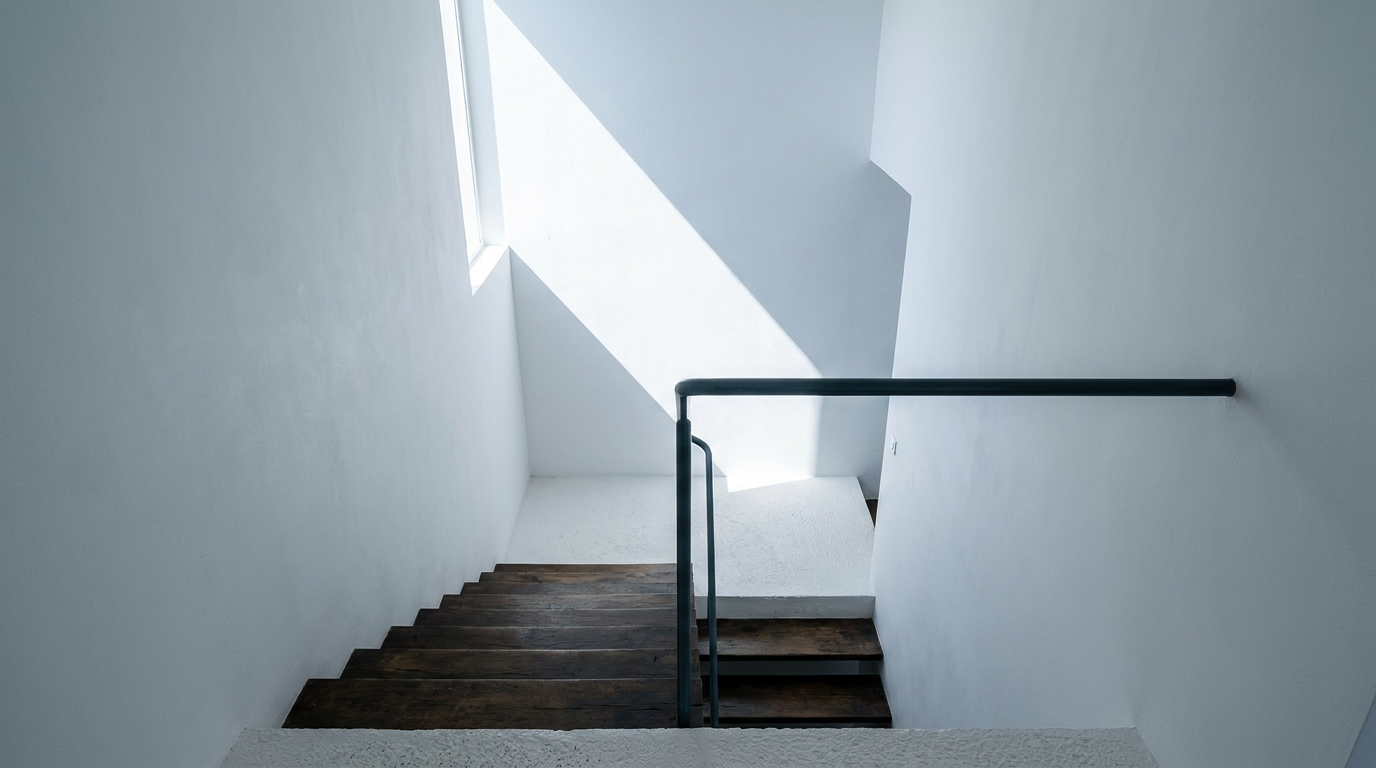
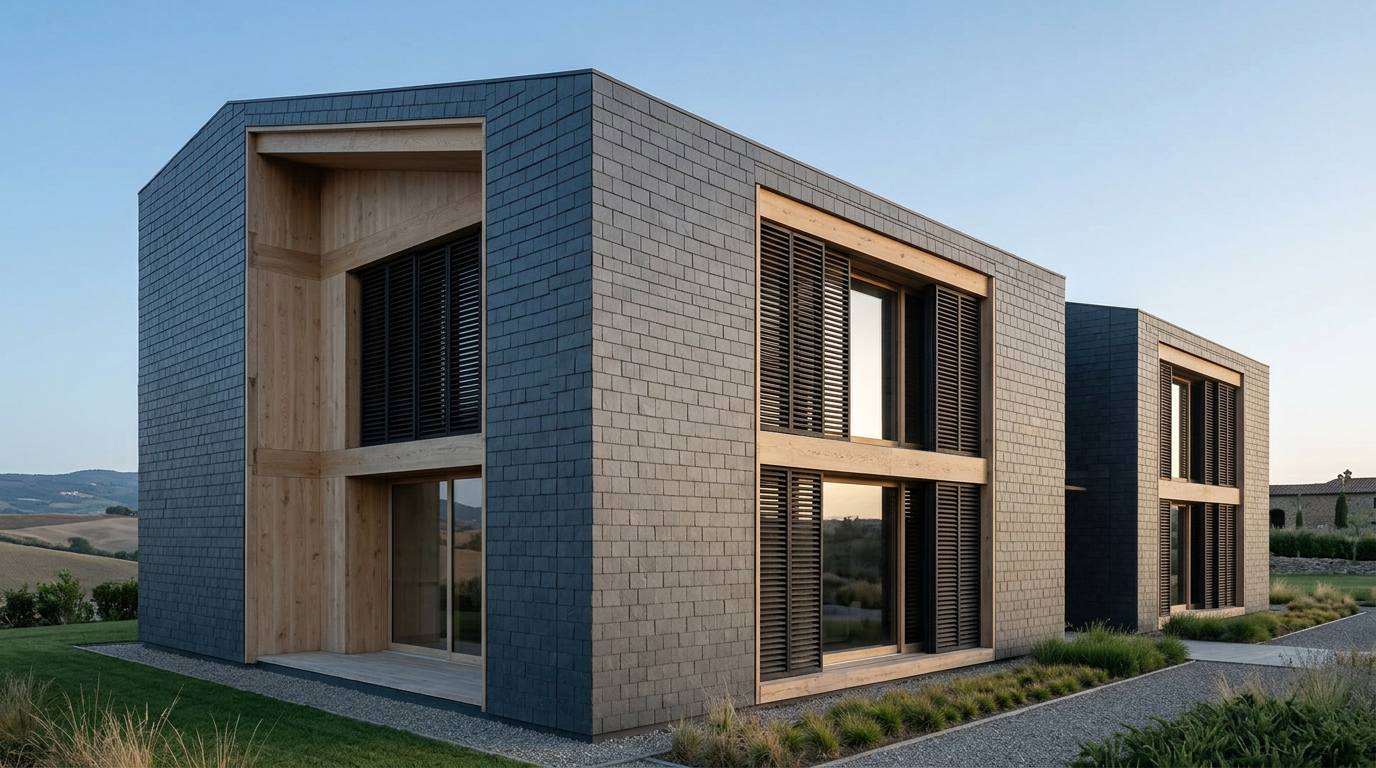
The images with this article are AI-generated interpretations made for ARCHITECTT. They suggest the mood of shaded thresholds, timber, water and garden light associated with Bawa's work. They do not document a particular door, fitting, room or measurement at Number 11 or Lunuganga, and no material, species or dimension should be read from them.
Number 11: A House Built by Accumulation
Number 11 did not arrive as a single design. The Geoffrey Bawa Trust records that Bawa began in 1959 by renting the third of four row houses on 33rd Lane, and within a decade had bought all four and joined them into one home. Bawa himself was reluctant to describe his process as a fixed method, and the house reflects that: it reads as decisions made over time, room by room, rather than a plan drawn once.
Compression and Release
The Trust describes a house that expands and contracts as you move through it: a narrow entry opens into a broad living space, then tightens again into smaller enclaves such as the bedroom and dining area.
For a designer, this is the useful lesson. The experience depends on sequence — on how width, enclosure and openness alternate as you walk — rather than on any one feature. On a short urban plot, controlling what is revealed and when makes the house feel larger and calmer than its frontage suggests, and lets the line between inside and outside soften.
Lunuganga: The Garden That Looks Outward
If Number 11 turns inward, Lunuganga turns outward. Bawa acquired the land at Bentota in 1948, when it was a rubber and cinnamon plantation, and spent decades turning it into a garden. Walkways and quiet stopping places let visitors find their own route, while the surrounding lakes carry the eye well beyond the garden's edge.
What the Two Places Teach Together
Side by side, the two places describe a range rather than a formula. In the city, Bawa worked inward, using enclosure and sequence on a constrained site. In the country, he worked outward, letting views and water extend a garden past its boundary. In both, the threshold between inside and outside is handled deliberately.
It is tempting to explain this work through precise climate mechanics or exact construction details. The primary descriptions do not support that, and neither do we. What they support is a reading of space: shade, openness, sequence, and a cumulative way of building that responds to its place. How any particular room performs thermally would need its own study.
ARCHITECTT Note
Bawa's own houses are a reminder that a plan can be judged by how it is walked. Before fixing a floor plan, try drawing the route through it as a sequence of widths and enclosures — where the house should tighten, where it should open, and where inside and outside should meet without a hard line.
Closing
Number 11 and Lunuganga were made slowly, by the same person, at two very different scales. One shows how much can be drawn out of a short terrace; the other how working land can become a garden that reaches into the landscape. Together they explain why Bawa's architecture is still studied: not for a single device, but for sustained attention to place, light and movement.
Both are cared for by the Geoffrey Bawa Trust, which runs visits; Number 11 can only be seen on guided tours.
FAQ
What is Number 11?
Geoffrey Bawa's house in Colombo, formed from four row houses that he first rented and then bought, beginning in 1959. The Geoffrey Bawa Trust now shows it on guided tours.
What is Lunuganga?
The garden Bawa created at Bentota on a former plantation he acquired in 1948.
How is space organised at Number 11?
As a sequence: a narrow entry opens into a broad living space, which narrows again into smaller rooms.
Do the pictures show real details of Bawa's buildings?
No. They are AI-generated interpretations made for ARCHITECTT and do not document a specific fitting, material or dimension.
In Short
Bawa's Number 11 shows how a sequence of narrow and broad spaces can shape a small urban house; Lunuganga shows how a garden can extend into the landscape around it.
Key takeaways
- —Number 11 grew gradually from one rented row house into a single home.
- —Its rooms alternate narrow and broad, so the house is experienced as a sequence.
- —Lunuganga turned working land into a garden that reaches into the landscape.
- —Bawa is best read through space and threshold, not unverified technical claims.
Sources
- Number 11 is at the end of a cul-de-sac on 33rd Lane, Bagatelle Road, Colombo 03; it began as the third of four row houses rented from Harold Peiris in 1959; within ten years Bawa bought all four and renovated them into the present property.https://geoffreybawa.com/number-11
- The Trust describes Number 11 as expanding and contracting (narrow entry, broad living space, smaller enclaves), as introspective, and as lived in parallel with Lunuganga; it records Bawa's reluctance to describe his process analytically.https://geoffreybawa.com/number-11
- Lunuganga, Bentota, was a former rubber and cinnamon plantation acquired by Bawa in 1948; 'garden within a larger garden'; about twenty-five acres with surrounding lakes; name translates as 'Salt River' in Sinhala.https://geoffreybawa.com/lunuganga
- The Geoffrey Bawa Trust manages Number 11 and Lunuganga and runs their visits.https://geoffreybawa.com/mission
- Bawa is widely regarded as a leading figure of tropical modernism in Sri Lanka (general characterisation only).https://en.wikipedia.org/wiki/Geoffrey_Bawa
Topics
Continue reading