
The moving frame
Construction Diaries
Hassan Fathy at New Gourna: Vaults of Earth and Light
Earth architecture, local knowledge and the enduring relationship between buildings and community.
New Gourna is a village designed and built by Hassan Fathy in Luxor between 1946 and 1952. UNESCO recognises its use of local materials and techniques and its sensitivity to climate.
On the West Bank of the Nile at Luxor, Hassan Fathy’s New Gourna brings earth architecture into a larger story about place and community. Designed and built between 1946 and 1952, the village drew on local materials and building knowledge to propose a different direction for modern settlement planning: one shaped by its setting rather than detached from it.
Its enduring interest lies in that relationship. New Gourna asks how architecture can belong to a climate, a landscape and the lives of the people it is intended to serve. The question remains as compelling as the buildings themselves.
In Short
- Hassan Fathy designed and built New Gourna between 1946 and 1952, according to UNESCO.
- The village was created to house the community of Old Gourna, within the World Heritage property of Ancient Thebes with its Necropolis.
- Local materials, traditional techniques and sensitivity to climate are central to its architectural significance.
- Conservation connects the care of surviving buildings with the needs of the community.
A Village Shaped by Local Knowledge
New Gourna was created for residents of Old Gourna whose homes stood above tombs in the ancient Theban cemetery. Relocation was intended to reduce damage to those tombs. The proposal therefore joined an architectural ambition to a wider question of how a community and an archaeological landscape could coexist.
Fathy’s response gave local building knowledge a central role. UNESCO describes the village as a reinterpretation of a traditional urban and architectural setting, with an appropriate use of local materials and techniques. Earthen construction was not treated as a relic to be left behind, but as part of an architectural approach attentive to climate and place.
That is what makes New Gourna more than an isolated study in form. Its buildings belong to a settlement, and the settlement belongs to a social context. Material, space and community are inseparable parts of the same architectural proposition.
Earth, Light and Enclosure
Earth architecture gives New Gourna a distinctive place in the history of modern design. Its appeal is not simply the appearance of its surfaces, but the idea that the character of a building can emerge from the knowledge and resources of its setting.
Light and shade offer another way to approach that idea. In the accompanying illustrations, a curved enclosure, a screened opening and a shaded threshold draw attention to the passage between outside and inside. These are spatial readings: ways of noticing how an opening frames a room, how a surface catches light and how shade gives depth to an entrance.
Fathy’s sensitivity to climate, recognised by UNESCO, gives this reading its wider context. New Gourna invites us to think about environmental design as an architectural relationship with place, rather than as a layer added after the form has been decided.
Picture Notes
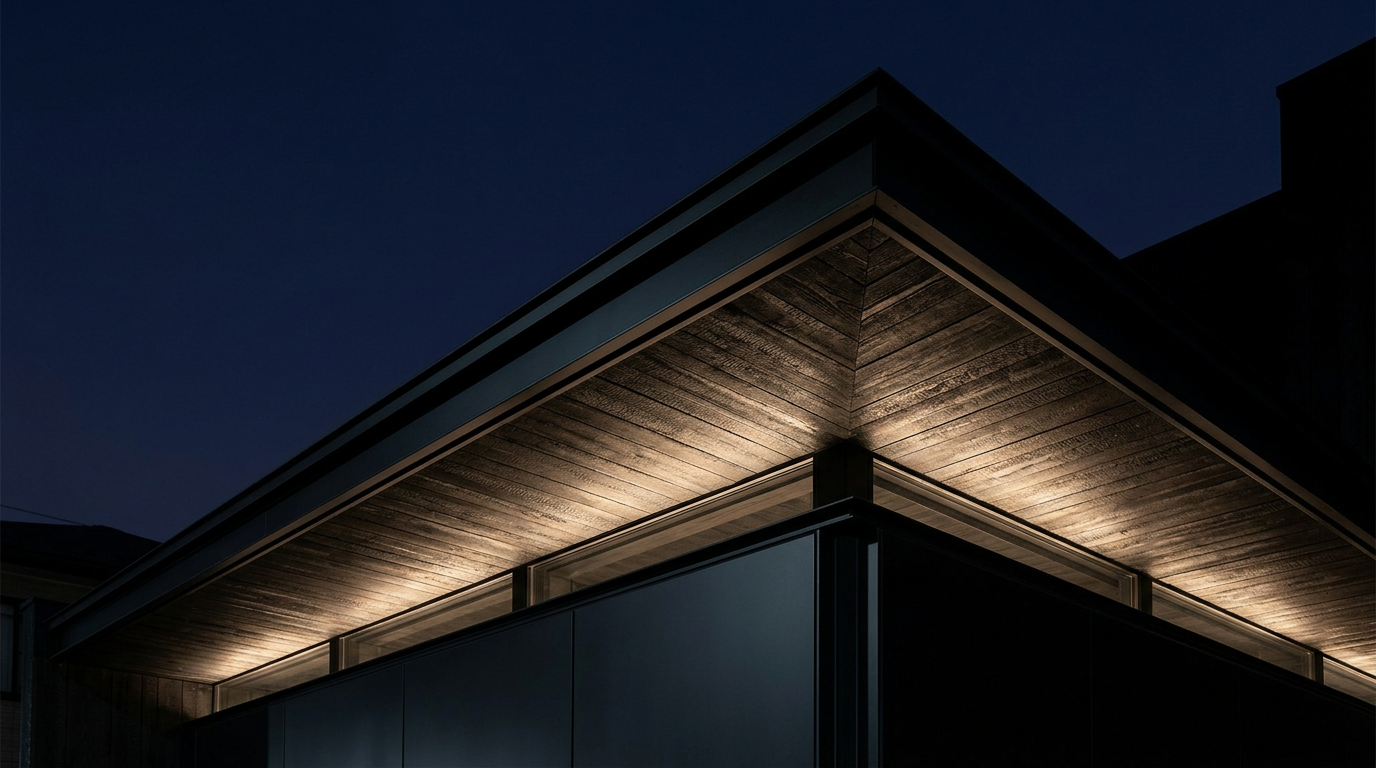
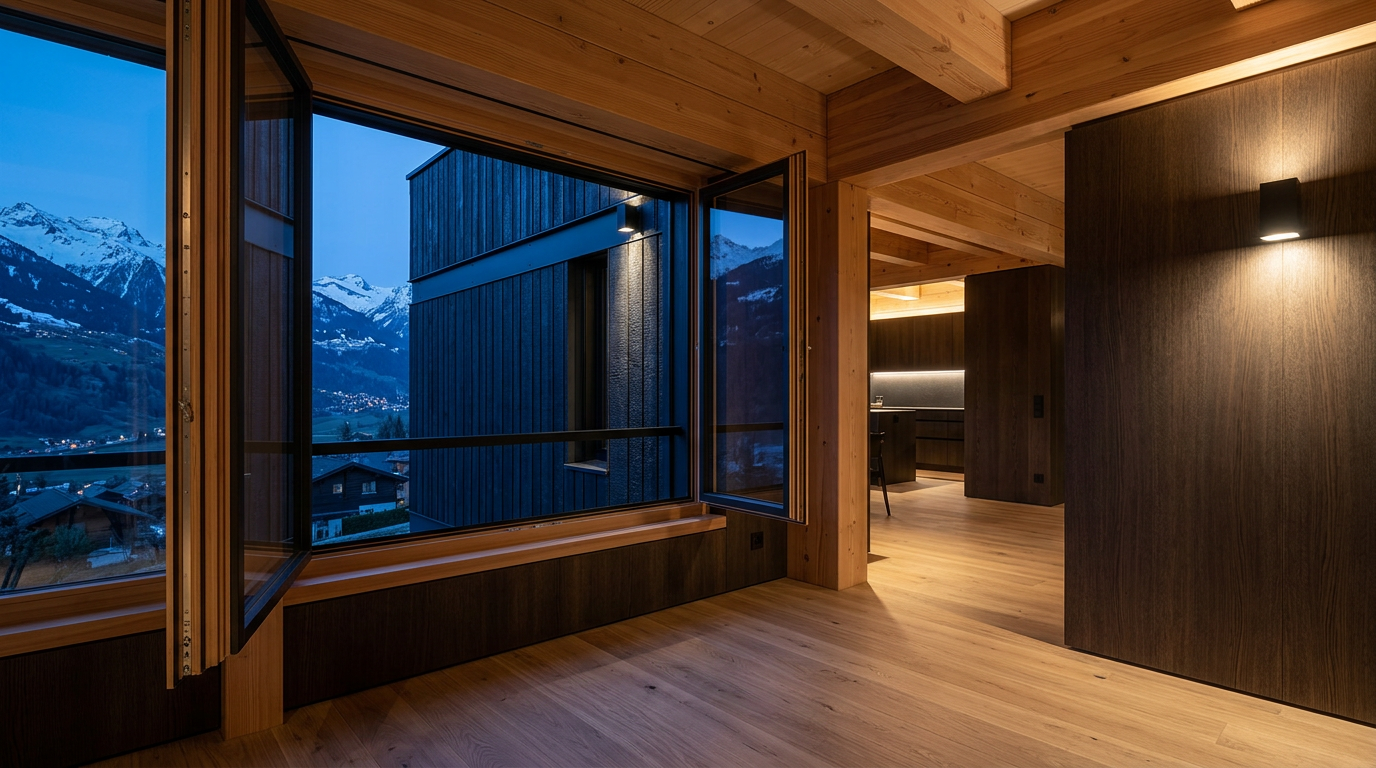
AI illustrations interpret the article’s architectural themes; they are not documentary photographs of New Gourna.
1. Earth and shadow — A study of earthen surfaces, depth and shade.
2. A vaulted enclosure — A curved interior draws the eye from the room to its roof.
3. Light through a screen — An opening turns daylight into a pattern across the interior.
4. The shaded threshold — Light and shadow mark the transition between open space and enclosure.
Safeguarding a Living Place
New Gourna’s legacy also depends on the care of what survives. UNESCO’s safeguarding account describes the loss and alteration of original structures, inadequate maintenance and pressure on open spaces. Conservation is therefore not only a matter of preserving an architectural image. It is a continuing responsibility for buildings and the people around them.
UNESCO initiated a safeguarding project in 2009, in consultation with Egypt’s Ministry of Culture and the Governorate of Luxor. Documentation, physical surveys and socio-economic surveys were undertaken in cooperation with the World Monuments Fund. Bringing those strands together reflects the breadth of the task: understanding the fabric of the village alongside its community life.
A further report, published by UNESCO in March 2023, records the handover of the Khan, Mosque and Theatre to Environmental Quality International (EQI) for UNESCO-funded restoration works. These public buildings give the conservation effort a tangible focus within the village.
ARCHITECTT Note
The lasting architectural question at New Gourna is one of belonging. How can local knowledge inform a contemporary design without reducing a living tradition to a visual style? Fathy’s project offers a setting in which to consider that question through material, climate and community together.
Its relevance is not confined to earth construction. It lies in the attention paid to the relationship between a building and the place it occupies.
Closing
New Gourna remains both an architectural proposition and a place requiring care. Its significance rests on the meeting of local knowledge and modern planning; its future depends on the patient work of safeguarding the surviving village.
To read it today is to hold those two realities together: the ambition of Fathy’s design and the responsibility of keeping its legacy connected to community life.
FAQ
When was New Gourna designed and built?
UNESCO dates Hassan Fathy’s design and construction of New Gourna to 1946–1952.
Why was New Gourna created?
It was planned to house the community of Old Gourna, whose homes stood above tombs in the ancient Theban cemetery. Relocation was intended to reduce damage to those tombs.
What makes New Gourna architecturally significant?
The village brought local materials and building techniques into a modern settlement plan. UNESCO highlights its sensitivity to climate and its connection between architecture, place and community.
What conservation work has UNESCO reported?
UNESCO began a safeguarding initiative in 2009. In March 2023 it reported the handover of the Khan, Mosque and Theatre to Environmental Quality International for UNESCO-funded restoration works.
In Short
New Gourna connects local building knowledge, climate and community. Designed and built in 1946–1952, the village is the subject of UNESCO-supported safeguarding.
Key takeaways
- —UNESCO dates New Gourna’s design and construction to 1946–1952.
- —The village was created to house the Old Gourna community.
- —Local materials, traditional techniques and climate sensitivity define its architectural significance.
- —UNESCO’s safeguarding work combines architectural documentation with community concerns.
- —UNESCO reported restoration arrangements for the Khan, Mosque and Theatre in March 2023.
Sources
- New Gourna’s location, 1946–1952 design and construction, relocation purpose, local techniques, climate sensitivity and safeguarding initiative.https://whc.unesco.org/en/activities/637/
- The March 2023 report of the Khan, Mosque and Theatre being handed to EQI for UNESCO-funded restoration works.https://www.unesco.org/en/articles/safeguarding-hassan-fathys-architectural-legacy-new-gourna
- Further reading.Fathy, Hassan. Architecture for the Poor: An Experiment in Rural Egypt. University of Chicago Press.
Topics
Continue reading